Serious repair problems can affect whether a Tennessee rental remains safe and fit to live in. However, a leaking faucet, cosmetic damage or a minor maintenance delay does not automatically make an entire home legally uninhabitable.
Quick answer: A rental may be considered uninhabitable when serious conditions materially affect health or safety, such as a lack of essential utilities, unsafe electrical systems, sewage problems, major structural hazards or the failure to provide working heat when needed. Tenants should report emergencies immediately, provide detailed written notice, document the conditions and obtain legal guidance before withholding rent, deducting repair costs or moving out.
Scope of this guide
This article focuses on Tennessee’s Uniform Residential Landlord and Tenant Act, or URLTA, as it applies in Montgomery County and other covered Tennessee counties. URLTA applies only in counties meeting the population threshold established by state law. Different rules may apply to properties outside covered counties or to housing governed by separate federal programs.
What Makes a Rental Uninhabitable in Tennessee?
There is no single checklist that makes every property legally uninhabitable. The seriousness, duration, cause and effect of the condition all matter.
Conditions that may materially affect health or safety include:
- No working heat during cold weather
- No running water or a major plumbing failure
- Sewage backups or unsafe sanitation conditions
- Dangerous electrical wiring or an immediate fire hazard
- Major structural problems, such as unsafe stairs, ceilings or flooring
- Serious roof or water intrusion that creates unsafe living conditions
- Severe pest conditions that affect health or safety
- Moisture or mold conditions that materially affect health or safety
- Broken exterior doors, windows or locks that create a serious security risk
The presence of one repair issue does not automatically establish that the whole property is uninhabitable. A code inspection, the lease, the available documentation and the circumstances surrounding the condition may all affect the outcome.
What Does Tennessee Habitability Law Require From Landlords?
In counties covered by URLTA, Tennessee Code § 66-28-304 generally requires a landlord to:
- Comply with applicable building and housing codes that materially affect health and safety
- Make repairs and take the steps necessary to put and keep the premises in a fit and habitable condition
- Keep common areas clean and safe
- Meet additional waste-removal requirements in qualifying multi-unit properties
These responsibilities do not mean that every repair must be completed instantly. The required response may depend on the urgency, availability of parts or contractors, access to the property and whether temporary safety measures are possible.
Read the applicable provision in Tennessee Code § 66-28-304.
What Should a Tenant Do When the Rental Becomes Unsafe?
1. Report an Emergency Immediately
Conditions involving fire, exposed electrical wiring, sewage, flooding, loss of heat in dangerous weather or another immediate safety threat should be reported immediately using the landlord’s emergency-maintenance procedure.
Contact emergency services when there is an immediate danger to life or property.
2. Send Detailed Written Notice
Send written notice describing:
- The condition and where it is located
- When it began or was discovered
- How it affects health, safety or essential services
- Any earlier reports or repair attempts
- How the landlord or contractor can access the property
Keep a copy of the notice and proof that it was delivered. Written notice is especially important because several URLTA remedies do not arise until notice has been provided.
3. Document the Condition
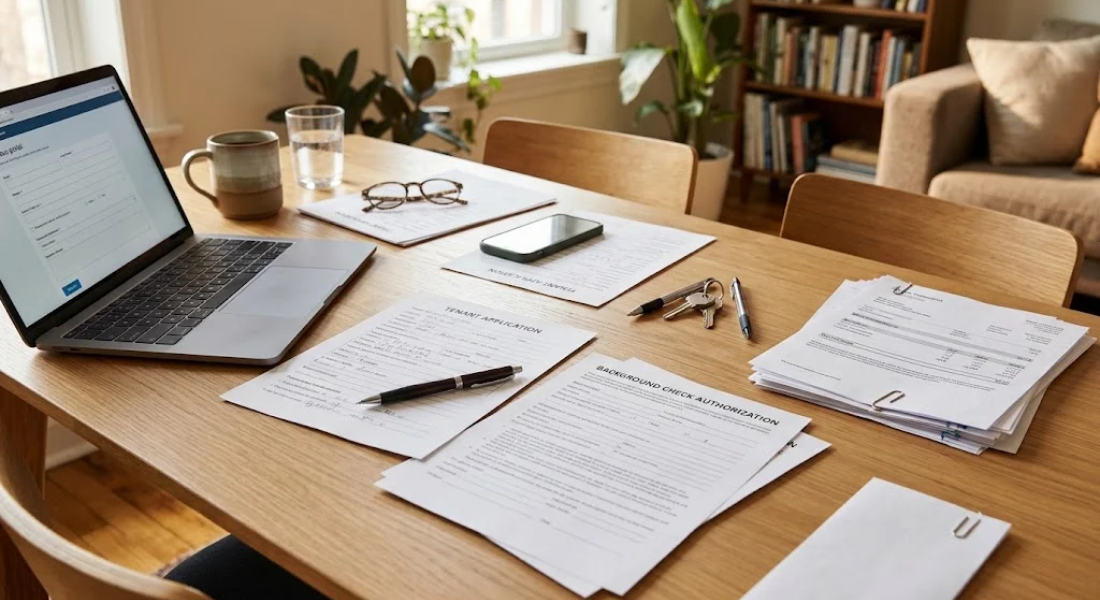
Keep dated photos, videos, emails, maintenance requests, inspection reports, contractor notes and records of the landlord’s response. Documentation can help establish the seriousness of the problem and the timeline.
4. Provide Reasonable Repair Access
Tenants should cooperate with reasonable requests for access so the condition can be inspected and repaired. Record scheduled appointments, completed work and any appointments that were missed or rescheduled.
5. Contact the Appropriate Local Department
When a condition may violate a building, housing, health or safety code, tenants can contact the local building-codes or health department to ask whether an inspection is appropriate.
Does a Tennessee Landlord Always Have 14 Days to Make Repairs?
No. Tennessee’s 14-day provision should not be described as a universal repair deadline.
Tennessee Code § 66-28-501 states that a tenant may seek specified remedies for landlord noncompliance upon giving 14 days’ written notice. That provision concerns the notice required before pursuing certain remedies; it does not say that a landlord may ignore an emergency for 14 days or that every repair must be started or completed on the fourteenth day.
An urgent condition may require a faster response, while a non-emergency repair may involve a different timeline based on the facts, the lease and applicable law.
Read Tennessee Code § 66-28-501.
What Happens When Essential Services Are Not Provided?
Tennessee Code § 66-28-502 addresses a landlord’s deliberate or negligent failure to supply essential services in URLTA-covered rentals.
Essential services include utilities such as gas, heat and electricity, together with other landlord obligations that materially affect tenant health and safety.
After providing written notice and satisfying the statute’s other requirements, a tenant may be able to choose one of the remedies identified in the law:
- Procure the essential service and deduct its actual and reasonable cost from rent
- Continue occupying the unit and seek damages based on the reduction in its fair rental value
- Obtain reasonable substitute housing and be excused from rent during the applicable period of noncompliance
These remedies are not a general authorization to arrange any repair and subtract an arbitrary amount from rent. The statute requires written notice, applies to essential services and does not provide rights when the tenant, a household member or a guest deliberately or negligently caused the condition.
Read Tennessee Code § 66-28-502.
Can a Tenant Stop Paying Rent Because the Property Is Uninhabitable?
Tenants should not simply stop paying all rent because a repair has not been completed. General nonpayment can expose a tenant to an eviction filing even when a legitimate repair dispute exists.
Some URLTA remedies may affect what a tenant pays during a qualifying failure to provide essential services, but the statutory requirements must be followed carefully. The appropriate remedy depends on the condition, its cause, the notice provided, the tenant’s actions and the section of law being used.
Before withholding rent, deducting expenses or leaving the property, tenants should obtain advice from a qualified Tennessee landlord-tenant attorney or legal-aid organization.
Who Can Determine That a Rental Is Uninhabitable?
A tenant can report unsafe conditions, and a landlord can acknowledge that significant repairs are required. However, either party’s description alone may not conclusively determine the legal status of the property.
A local building-codes or health department may inspect the rental and document code or health violations. When the parties disagree about their legal rights, a court may ultimately consider the evidence and decide what remedies are available.
Inspection records, photographs, written repair notices, contractor findings and communication records may all become important evidence.
Can a Landlord Evict a Tenant During a Habitability Dispute?
A habitability complaint does not automatically prevent a landlord from filing an eviction case for unpaid rent or another alleged lease violation. It also does not mean the landlord will necessarily prevail.
A tenant who receives an eviction notice or court summons should not ignore it. The tenant may need to appear in court and present written notices, photographs, inspection records and other evidence concerning the property condition.
Landlords must use the legal court process. Changing locks, removing belongings or shutting off essential utilities to force a tenant out is not a substitute for an eviction order.
For related information, read our Clarksville eviction laws guide.
What Should a Landlord Do After Receiving a Serious Repair Notice?
A documented response can help protect the tenant, the property and the owner. Landlords and property managers should:
- Acknowledge the report. Confirm that the notice was received and identify the next step.
- Assess urgency. Separate immediate health-and-safety concerns from ordinary maintenance.
- Arrange inspection and access. Use qualified contractors when the condition requires specialized work.
- Provide temporary safeguards when appropriate. This may include stopping water intrusion, securing an unsafe area or arranging temporary essential services while permanent work is scheduled.
- Keep complete records. Retain notices, photographs, invoices, contractor findings and communication with the tenant.
- Confirm completion. Record what work was performed and whether further monitoring is required.
- Seek legal advice for disputes. An attorney should review questions involving lease termination, rent deductions, relocation, retaliation or eviction.
Preventive maintenance and consistent documentation can also help owners address smaller issues before they become serious habitability concerns. Read our guide to regular property maintenance for landlords.
Need Help Coordinating Rental Maintenance?
Connerth & Co. helps Clarksville rental owners document maintenance requests, coordinate contractors and maintain clear tenant communication.
Key Takeaways
- Serious health-and-safety conditions may make a rental uninhabitable.
- URLTA applies in Montgomery County, but different rules may apply in other Tennessee counties.
- Landlords in URLTA counties must keep covered rentals fit and habitable.
- Tenants should report emergencies immediately and send detailed written notice.
- The 14-day provision is not a universal deadline for beginning or completing every repair.
- The essential-services statute refers to actual and reasonable costs; it does not establish a general $500 or half-rent cap.
- Tenants should not simply stop paying rent without following the applicable legal process.
- Both landlords and tenants should retain complete documentation.
This article provides general information about Tennessee rental-property law and is not legal advice. Legal rights depend on the property’s county, the lease, the cause and severity of the condition, the notice provided and other facts. Consult a qualified Tennessee attorney for advice about a specific situation.
Last reviewed: August 2026.
Frequently Asked Questions About Uninhabitable Rentals in Tennessee
What is considered an uninhabitable rental in Tennessee?
A rental may be considered uninhabitable when serious conditions materially affect health or safety. Examples may include a lack of essential utilities, dangerous electrical systems, sewage problems, major structural hazards or the failure to provide working heat when needed. The severity, duration, cause and available documentation all matter.
Does a Tennessee landlord always have 14 days to make repairs?
No. The 14-day language in Tennessee Code § 66-28-501 concerns written notice before certain tenant remedies may be pursued. It is not a universal deadline for beginning or completing every repair, and urgent health-and-safety conditions may require a faster response.
Can I stop paying rent if my Tennessee rental is uninhabitable?
Tenants should not simply stop paying all rent. Some statutory remedies may affect rent during a qualifying failure to supply essential services, but the notice and eligibility requirements must be followed. Obtain legal guidance before withholding rent or making deductions.
Can a tenant repair and deduct in Tennessee?
Tennessee URLTA provides a limited remedy when a landlord deliberately or negligently fails to provide essential services. After written notice and satisfaction of the statute’s requirements, the tenant may be able to obtain the essential service and deduct its actual and reasonable cost. This is not a general right to deduct the cost of any repair.
What are essential services under Tennessee URLTA?
Essential services include utilities such as gas, heat and electricity, together with other landlord obligations that materially affect tenant health and safety.
Who can determine that a rental is uninhabitable?
Local building-codes or health officials may inspect and document violations. When the tenant and landlord disagree about their legal rights, a court may ultimately evaluate the evidence and determine which remedies apply.
Can a landlord evict a tenant during a habitability dispute?
A landlord may still file an eviction case for unpaid rent or another alleged violation. The tenant may present habitability evidence and other defenses in court. Landlords must use the court process rather than changing locks, removing belongings or shutting off utilities.
What should a landlord do after receiving a serious repair notice?
The landlord should acknowledge the notice, assess the urgency, arrange inspection and qualified repairs, provide reasonable temporary safeguards, communicate with the tenant and retain complete records of the response and completed work.