
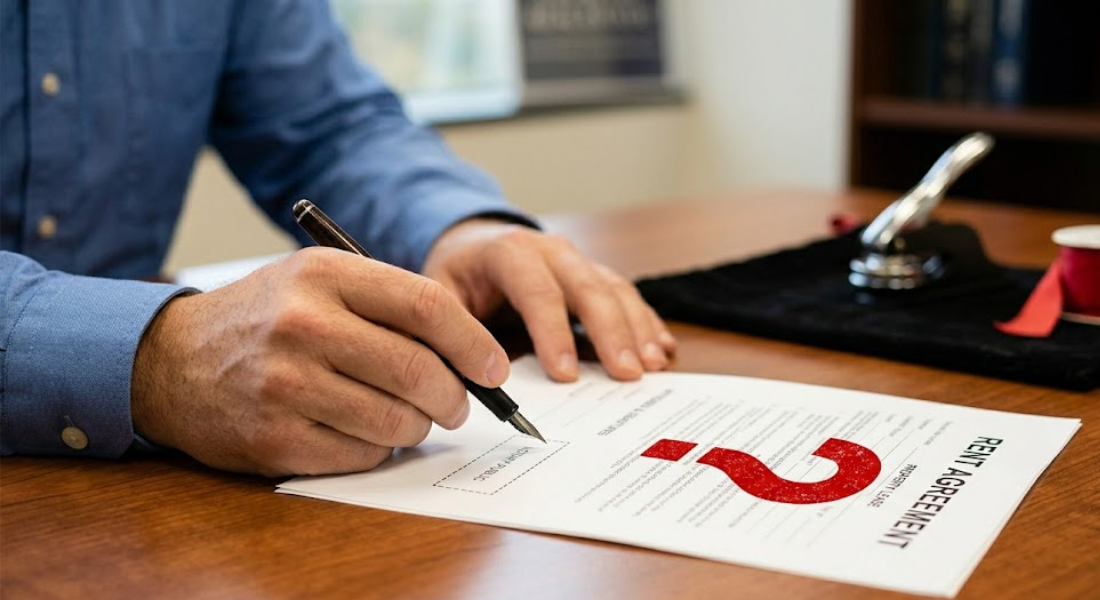
If you are signing a new lease, you may wonder whether a rental agreement needs to be notarized to be legally valid. Many landlords and tenants assume every lease agreement must go through a notary public, but that is not always true. In most situations across the U.S, lease agreements do not need notarization to become enforceable. However, there are important exceptions depending on the duration of the lease, state law, and specific circumstances.
This guide explains when you should notarize a lease, when notarization is required, and how notarizing a lease can provide protection in case of disputes. You will also learn how online notarization works, what legal requirements may apply in certain states, and how to make an informed decision before signing a rental contract.
Table of Contents
ToggleDoes a Lease Agreement Need to Be Notarized to Be Legally Binding?
One of the most common questions in real estate is whether a lease agreement needs to be notarized before it becomes legally binding. In most states, the answer is no. A standard written lease signed by the landlord and tenant is usually considered legally valid without a notary. As long as the parties involved agree to the terms and conditions and properly sign the document, the contract is generally enforceable.
That said, some leases exceeding a certain number of years must be recorded with the county recorder’s office. In those situations, the agreement notarization process may become necessary before the document can be recorded in the county recorder’s. The recorder’s office where the property is located may require notarization before accepting the filing.
Even though lease agreements do not need notarization in many cases, landlords managing large properties or complex tenancy arrangements may still choose to notarize documents for increased security and peace of mind. A notarized document can help deter fraud and strengthen legal enforceability if future disputes arise between the tenant and landlord.
Why Would a Landlord Want to Notarize a Lease?
A landlord may decide not to notarize a lease even when the law does not require notarization. The main reason is the added legal weight and protection. When a notary verifies the identity of the signing parties, it becomes harder for either side to later claim they never signed the agreement.
For example, if a tenant later disputes the signature or claims they did not agree to certain lease terms, a notary’s acknowledgment can help certify the authenticity of the signatures. This can be especially useful in landlord-tenant disagreements involving occupancy, unpaid rent, or issues regarding a security deposit.
Some landlords also prefer lease agreement notarization because it creates a more professional rental process. A properly notarized lease agreement may reassure both parties that the document was handled carefully and according to legal requirements. This can improve the overall rental experience and help safeguard your rights throughout the tenancy.
Do Rental Agreements Need to Be Notarized in Every State?
Rental agreements do not need notarization in every state because laws vary by state. Some states have very relaxed requirements for residential lease agreements, while others impose stricter standards for long-term leases or non-residential leases.
For example, Washington state law includes references such as RCW 59.18.210 and RCW 59.18.010, which govern certain landlord-tenant matters. While these laws address rights and responsibilities within a rental relationship, they generally do not state that ordinary residential rental agreements must be notarized. Still, certain documents connected to real property transactions may require notarization depending on the duration of the lease or filing requirements.
In certain states, leases exceeding a specific length of time are considered a transfer of real property interests and therefore must be recorded. When that happens, the notarization required rules often apply. Because legal requirements differ from one jurisdiction to another, landlords and tenants should review local regulations or seek legal advice before signing a long-term lease.
What Does a Notary Public Actually Do During Notarization?
Many people misunderstand the role of a notary public during notarization. A notary does not approve the lease or guarantee the deal is fair. Instead, the notary must confirm the identity of the signing parties and witness the signatures.
During the process, the notary verifies government-issued identification and confirms that everyone is signing willingly. Afterward, the notarial certificate is attached to the document. The notary’s seal and signature then become part of the document’s official record.
This process helps deter fraud because it reduces the risk of forged signatures or identity misrepresentation. Whether you are a landlord or tenant, having an agreement notarized can offer additional confidence that the contract was executed properly. Although agreements do not need notarization in most everyday situations, some people still prefer the extra documentation for protection.
When Is Notarization Required for a Lease Agreement?
There are situations where the rules of notarization may apply. One major factor is the duration of the lease. Some states require long-term leases to be notarized before they can be recorded with local government offices.
For example, leases exceeding several years must be recorded to protect ownership interests or clarify rights related to occupancy. Once recording becomes necessary, the county recorder’s office may refuse to accept the document unless it has proper notarization. In these cases, the lease has to be notarized before filing.
Commercial and non-residential leases are another area where notarization can become important. Businesses entering long-term agreements often use formal notarization procedures because the financial stakes are higher. A property manager handling commercial units may also request notarization to reduce legal complications later.
Can You Use Online Notarization for a Rental Agreement?
Modern technology has made online notarization increasingly popular. Instead of visiting a physical office, parties can connect with a notary through secure video software. Remote online notarization allows people to complete the process from home while still meeting legal standards in states that permit it.
Online notarization is especially convenient for landlords and tenants living in different locations. A landlord’s schedule or a tenant’s work hours may make in-person meetings difficult. Using remote online notarization can simplify the signing process and speed up document completion.
However, not every state accepts online notarization equally. Some jurisdictions fully recognize digital notarization, while others still require traditional paper-based procedures. Before you notarize your lease online, check the rules where the property is located to confirm the document will remain enforceable.
Is a Notarized Lease Agreement Stronger in Court?
A notarized lease agreement can provide stronger evidence in court because the notary verifies that the signatures are genuine. While a regular signed contract is still legally binding, notarization may improve legal enforceability during disputes.
Imagine a situation where a tenant claims their signature was forged or altered. If the document contains a valid notary seal, the court may give the contract greater credibility. This additional protection can help avoid future disputes and simplify legal proceedings.
Still, notarizing a lease does not automatically make an unfair or illegal contract enforceable. The lease needs clear terms and conditions that comply with applicable laws. Courts will still examine whether the agreement follows state law and respects the rights and responsibilities of both parties involved.
What Are the Benefits of Notarizing a Lease?
There are several reasons people choose notarizing a lease even when lease agreements do not need a notary.
Some key benefits include:
- Added identity verification
- Reduced risk of forged signatures
- Better documentation for disputes
- Increased professionalism during the leasing process
- Stronger evidence if legal conflicts arise
However, even the strongest lease agreement only works well when paired with proper tenant placement and ongoing management. A poorly screened tenant can create expensive problems regardless of whether the lease was notarized.
That is why Connerth & Co. Property Management emphasizes rigorous tenant screening, proactive inspections, and responsive maintenance coordination to help Clarksville landlords protect their investments from the start.
Do Month-to-Month Rental Agreements Need Notarization?
Most month-to-month rental agreements do not need notarization because they are short-term arrangements with fewer recording requirements. In these situations, a simple signed rental agreement is usually enough to create a legally binding lease.
However, landlords and tenants should still carefully review all terms before signing. Even though the lease needs to be notarized less often in month-to-month arrangements, the contract still carries legal consequences. Both sides should understand rent obligations, termination rules, and maintenance responsibilities.
If unusual circumstances exist, such as disputes over identity or concerns about enforceability, parties may still choose to notarize the agreement voluntarily. Doing so can create additional proof if conflicts arise later during the tenancy.
How Can Landlords and Tenants Decide Whether to Notarize?
The decision to notarize depends on several factors, including the duration of the lease, state law, and the comfort level of the signing parties. Some people prioritize convenience, while others prefer the added legal protection that comes with notarization.
Landlords managing multiple properties may use standard procedures that include notarization for every rental contract. Others only request it for long-term or commercial arrangements. Likewise, a tenant’s concerns about documentation or identity verification may influence the decision.
If you are unsure whether your lease needs notarization, seeking legal advice can help you make informed choices. An attorney familiar with landlord-tenant regulations can explain whether your specific agreement must be notarized or whether a regular signed contract is enough. Taking time to make informed decisions can prevent legal complications later.
What Should Be Included Before Signing a Lease Agreement?
Before signing any lease agreement, both parties should carefully review the document’s contents. The lease should clearly explain payment terms, occupancy rules, maintenance obligations, and the duration of the lease.
A strong rental agreement should also outline procedures for renewal, termination, and amendments. If the agreement includes unclear language, both sides should request clarification before signing. A legally binding lease works best when expectations are clearly communicated from the beginning.
If you choose to notarize, make sure everyone signs in front of the notary. The notary’s role is to witness the signatures directly, not afterward. Proper execution helps maintain legal validity and reduces the chance of disputes related to authenticity.
Final Thoughts on Whether a Lease Agreement Should Be Notarized
For most residential lease agreements in the U.S, notarization is optional rather than mandatory. In general, lease agreements do not need a notary to become legally binding. A properly signed written lease is usually enough to establish a valid contract between the landlord and tenant.
Still, there are situations where notarization offers meaningful benefits. Long-term leases, commercial arrangements, and documents that must be recorded may require notarization under local laws. Even when it is optional, many people choose not to notarize because it can strengthen legal enforceability and provide additional protection.
Understanding your state’s legal requirements is the best way to avoid mistakes. Whether you are signing a simple month-to-month agreement or a complex rental contract, taking time to understand the process can safeguard your rights and improve your overall rental experience.
Key Things to Remember About Lease Agreement Notarization
- Most residential leases do not need to be notarized to become legally valid
- A signed lease between a landlord and tenant is usually enforceable without a notary
- Some leases exceeding certain time periods must be recorded
- Recording requirements often depend on state law
- Notarization helps deter fraud and verify identities
- Online notarization and remote online notarization are growing in popularity
- Commercial and non-residential leases may have stricter rules
- A notary public witnesses signatures and confirms identity
- A notarized lease may provide protection in case of disputes
- Lease agreement notarization requirements vary by state and local jurisdiction
- Legal advice may help if you are unsure about legal requirements
- Reviewing all lease terms carefully can prevent future disputes
- Proper documentation gives both landlords and tenants greater peace of mind