
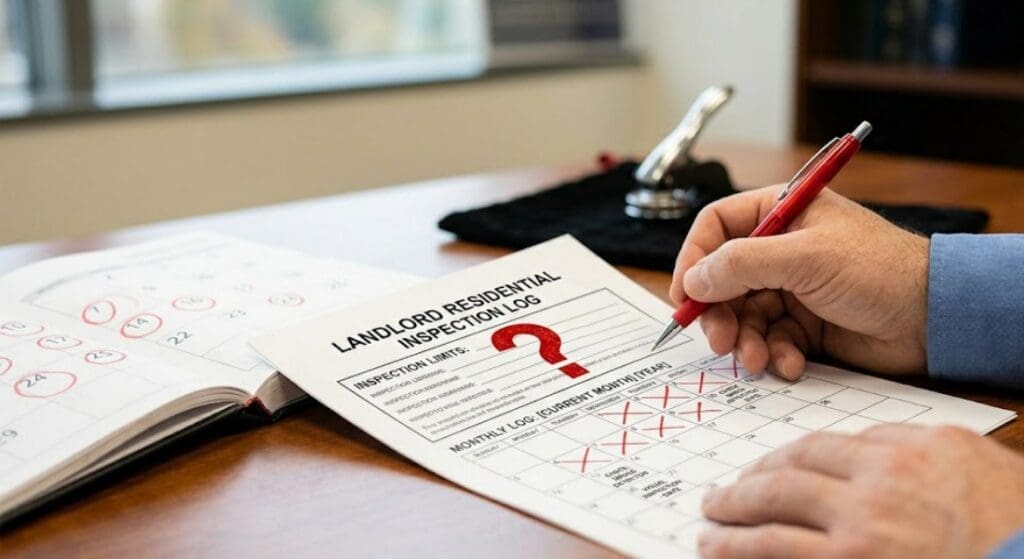
Whether you own a rental property or live in one, understanding Tennessee landlord entry and inspection rights is important. Landlords need access for legitimate reasons such as inspections, repairs, maintenance, emergencies and showings, but tenants also have privacy and quiet enjoyment rights.
This guide explains when a Tennessee landlord may enter a rental property, how notice and consent should be handled, when a tenant may refuse access, and how landlords can conduct inspections professionally.
Table of Contents
ToggleWhat Is a Rental Property Inspection?
A rental property inspection is a visit by a landlord or property manager to review the condition of the home. Inspections help document property condition, identify maintenance issues, verify lease compliance and reduce disputes at move-out.
Common inspection types include move-in inspections, routine mid-lease inspections, renewal inspections, move-out inspections, exterior checks and emergency visits. Each type may require a different approach depending on whether the landlord needs to enter the home.
How Often Can a Landlord Inspect a Rental in Tennessee?
Tennessee law does not set a specific number of routine inspections per year. Instead, inspection frequency should be reasonable, connected to a legitimate purpose and consistent with the lease agreement.
Some owners schedule one or two routine inspections per year, while others consider quarterly inspections when the property’s condition or maintenance needs warrant them. An inspection schedule should not be excessive, disruptive or used to harass the tenant.
How Many Inspections Can a Landlord Do in a Month or Year?
There is no fixed Tennessee statutory limit such as one inspection per month or two per year. A monthly inspection is not automatically prohibited, but frequent visits need a legitimate reason and must not become an abuse of access. One visit can also be improper if the landlord enters without a legal basis or handles the request in a harassing way.
For routine interior inspections, landlords should consider the property’s actual needs, the lease, the tenant’s response and less disruptive ways to address maintenance concerns. If the parties disagree about repeated entry requests, they should document the circumstances and seek advice about their specific situation.
Does Tennessee Require 24-Hour Notice for Every Inspection?
No. Tennessee Code § 66-28-403 does not create a universal 24-hour notice rule for every routine inspection. It says tenants must not unreasonably withhold consent to entry for permitted purposes, including inspection, and it prohibits landlords from abusing access or using it to harass a tenant.
The statute does require at least 24 hours’ notice for certain showings to prospective tenants during the final 30 days of a tenancy, when the right to show the property is included in the rental agreement. That specific rule should not be presented as a blanket requirement for routine inspections.
For routine inspections, landlords should follow the lease, request access in advance, give reasonable written notice, explain the purpose of entry and arrange a reasonable time. Sending notice alone does not automatically authorize entry over a tenant’s objection.
When Can a Tennessee Landlord Enter a Rental Property?
A landlord may request entry for purposes such as inspecting the premises, making necessary or agreed repairs, supplying services or showing the property. Tennessee law addresses tenant consent and specific exceptions to it. A planned visit should have a valid purpose and respect the tenant’s home.
An emergency is different. Under § 66-28-403, a landlord may enter without the tenant’s consent when a sudden, unexpected situation demands immediate action. For a nonemergency dispute about access, the landlord should not assume that a general inspection clause or an unanswered notice gives unlimited permission to enter.
Can a Tenant Refuse Landlord Entry in Tennessee?
Tenants must not unreasonably withhold consent to entry for the purposes listed in Tennessee law. That does not mean a landlord may enter at any time or use repeated requests to pressure a tenant. The purpose, timing, lease terms and circumstances all matter.
A tenant can raise concerns about a request that is poorly timed, lacks a legitimate purpose, is excessive or appears to be harassment. When there is disagreement, both sides should document the request and response and obtain case-specific advice rather than forcing an avoidable confrontation.
Tenant Privacy and Quiet Enjoyment
Tenants should be able to use and enjoy their home without unreasonable interference. Routine inspections can support good property management, but repeated unnecessary visits can create privacy and quiet-enjoyment disputes.
Landlords should avoid surprise routine inspections, repeated short-notice visits and inspection requests unrelated to a real property-management need. Clear communication helps protect both the owner’s investment and the tenant relationship.
Best Practices for Tennessee Landlords
A good inspection process starts with the lease. It should explain the expected inspection schedule, how access requests will be communicated, what the landlord may inspect and how tenants should report maintenance issues. Lease terms should be followed alongside applicable law.
Landlords and property managers should arrange visits at reasonable times, make written requests when possible, explain the purpose, use a consistent checklist, document relevant conditions and communicate important findings or repair needs to the tenant.
Need an Inspection Schedule and Checklist?
This guide focuses on entry rights and legal limits. For a practical approach to move-in, routine, renewal and move-out inspections, see our rental property inspection checklist for Tennessee landlords.
How Connerth & Co. Helps Clarksville Landlords
For rental property owners in Clarksville, managing inspections, maintenance requests and tenant communication can take considerable time, especially with multiple properties or when living outside the area.
Connerth & Co. Property Management helps Clarksville landlords coordinate inspections, document property condition, manage maintenance communication and keep owners informed. Explore our landlord property management services.
Key Takeaways
- Tennessee does not set a fixed number of routine inspections per month or year.
- There is no universal Tennessee 24-hour notice requirement for every routine inspection; the statute has a specific rule for certain end-of-tenancy showings.
- Landlords should follow the lease, request consent for routine entry, communicate in advance and avoid unnecessary disruption.
- Tenants must not unreasonably withhold consent for permitted purposes, while landlords must not abuse access or use it to harass them.
- Emergencies can permit entry without consent under the statute.
- Observing a property’s exterior from a public place is different from entering an occupied home; landlords should still respect the lease and tenant’s privacy.
- A written inspection policy and checklist can help prevent disputes.
This article provides general information for Tennessee rental owners and tenants. It is not legal advice. For disputes, unusual lease terms or questions about a specific rental situation, speak with a Tennessee attorney.