When something breaks in a rental unit, it isn’t always obvious whether the landlord or the tenant is responsible for fixing it. Understanding who handles needed repairs, and how quickly, is one of the most important parts of the landlord-tenant relationship, and confusion here leads to more disputes than almost any other rental issue. This article covers exactly what landlords need to know about their legal duty to maintain rental properties, what rights tenants have when a landlord doesn’t make repairs, and how everyday issues like a broken water heater, a missing smoke detector, or a pest problem should be handled. Whether you’re a landlord managing several rental properties or a tenant trying to understand your rights as a renter, this guide breaks down the rules both sides should know.
Table of Contents
ToggleWhat Repairs Is a Landlord Responsible For?
In most states, the landlord is responsible for maintaining the structural and mechanical systems of a rental unit — this includes plumbing, electrical wiring, heating, and major appliances that came with the unit. The legal foundation for this responsibility is the warranty of habitability, which requires landlords to keep the rental unit safe, sanitary, and livable throughout the lease.
Beyond the basics, a landlord must also maintain common areas in multi-unit buildings, such as hallways, shared laundry rooms, and stairwells, since these fall outside any individual tenant’s control. If a plumbing fixture breaks, an appliance stops working through normal wear and tear, or the water heater fails, the landlord is generally responsible for arranging and paying for the repair rather than passing that cost on to the tenant.
What Repairs Is a Tenant Responsible For?
While a landlord handles most structural and system-level repairs, tenants are typically responsible for damage they cause through negligence or misuse — a cracked tile from dropping something heavy, a clogged drain from improper use, or damage to walls beyond normal wear and tear. Leases and rental agreements usually spell out this distinction clearly, so tenants should read their lease carefully before assuming every repair falls on the landlord.
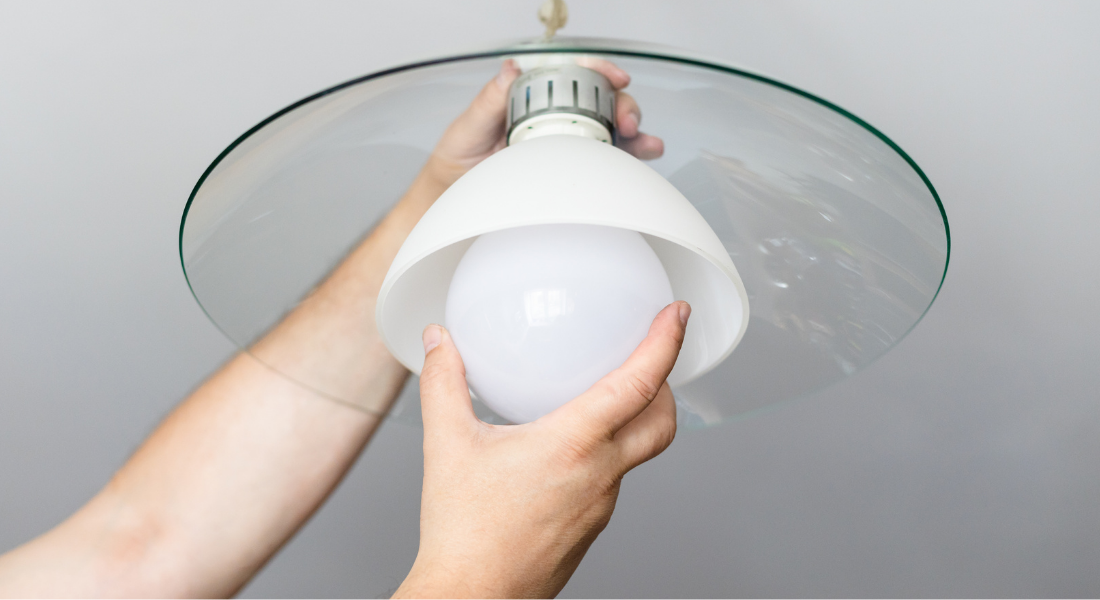
Tenants must also handle minor day-to-day upkeep, like changing light bulbs or replacing batteries in a smoke detector, since these fall under responsible for using the unit as intended rather than a repair obligation. When in doubt about whether an issue is the landlord’s responsibility or the tenant’s, checking the lease or asking the landlord directly is the safest first step.
Does the Law Require Landlords to Provide Smoke Detectors?
Yes — in nearly every state, the law requires landlords to install and maintain a working smoke detector in every rental unit, and many jurisdictions extend this requirement to carbon monoxide detectors as well. Landlords must provide functioning detectors at the start of a lease and are generally responsible for testing and replacing them as part of routine maintenance.
That said, some states place ongoing responsibility for battery replacement on the tenant once the detector has been confirmed to be working. Tenants should notify the landlord immediately if a smoke detector isn’t working properly, since a landlord who fails to maintain required safety detectors can face code enforcement action or liability if an emergency occurs.
What Should a Tenant Do When Something Needs Repair?
The first step for any tenant noticing an issue is to notify the landlord in writing, describing the problem clearly and, ideally, keeping a copy of the request for their own records. Most rental agreements require tenants to report repair issues promptly, since delaying notification can complicate matters if the damage worsens over time.
If the landlord does not fix the issue within a reasonable timeframe, tenants may have additional options depending on their state’s landlord-tenant law. These can include withholding rent, using a repair and deduct remedy, or, in serious cases, involving code enforcement or even choosing to sue the landlord for failing to maintain a livable rental unit.
Can a Tenant Withhold Rent for Needed Repairs?
In many states, tenants may legally withhold rent if a landlord fails to make necessary repairs after being properly notified, particularly when the issue affects health and safety or makes the unit uninhabitable. However, rent withholding rules vary significantly by location, and tenants must give the landlord notice and a reasonable opportunity to fix the problem before withholding any rent money.
Because rent withholding can carry real legal risk if done incorrectly, tenants should understand their rights and responsibilities under local law before taking this step, and it’s often wise to talk to a lawyer or tenant rights organization first. Some states also cap how much rent can be withheld or require the withheld amount to be placed in an escrow account rather than simply not paid.
What Is the Repair and Deduct Remedy?
The repair and deduct remedy allows a tenant to arrange for a needed repair themselves and deduct the cost from their next rent payment, provided the landlord was notified and failed to act within a legally required timeframe. This remedy exists specifically for situations where a landlord is responsible for a repair that affects habitability but hasn’t addressed it despite proper notice.
States that allow this option usually set strict rules: the repair must be necessary for health and safety, the cost must be reasonable, and the tenant must keep receipts and documentation to justify the deduction. Landlords who dispute a repair and deduct action can challenge it, so tenants should follow their state’s specific process closely rather than assuming any repair qualifies.
How Should Landlords Handle Pest Problems in a Rental Unit?
Pest control responsibility depends heavily on the situation and, often, on state law and the specific rental agreement. In most cases, if a pest problem — such as roaches, rodents, or bed bugs — exists at the start of a tenancy or affects multiple units in a building, the landlord is responsible for addressing it as part of keeping the rental property livable.
However, if a pest issue clearly results from a tenant’s own actions, such as poor sanitation attracting pests, responsibility may shift to the tenant depending on local law and lease terms. Because pest infestations can spread quickly and pose health and safety risks, landlords are generally advised to treat any reported pest issue seriously and promptly, regardless of who ultimately bears the cost.
Are Landlords Responsible for Water Heater and Appliance Repairs?
Yes, a landlord must maintain essential systems like the water heater, since hot water is considered a basic requirement for a livable rental unit in most jurisdictions. If a water heater breaks and isn’t repaired quickly, the unit may be considered uninhabitable, which can expose the landlord to rent withholding claims or code enforcement complaints.
Appliances that came with the rental unit, such as a stove, refrigerator, or dishwasher, generally fall under the landlord’s maintenance obligation as well, assuming normal wear and tear caused the malfunction. If an appliance breaks due to tenant misuse, though, the landlord may require the tenant to cover the repair cost, so documenting the cause of any appliance failure matters for both sides.
What Happens If a Landlord Fails to Make Needed Repairs?
When a landlord fails to make needed repairs despite proper notice, tenants generally have several avenues depending on state law: withholding rent, using repair and deduct, filing a complaint with local code enforcement, or pursuing legal action. In more serious cases involving significant health and safety violations, a tenant may even have grounds to break the lease early without penalty.
Landlords who consistently fail to maintain their rental properties also risk more than tenant complaints — code enforcement agencies can issue fines, and tenants may be able to sue the landlord for damages related to the failure to repair. Because these consequences can be costly, most experienced landlords treat prompt repairs not just as a legal requirement but as a practical way to protect their investment and retain reliable tenants.
How Can Landlords and Tenants Avoid Repair Disputes?
Clear communication is the single most effective tool for avoiding repair disputes between tenant and landlord. Leases and rental agreements should spell out, as specifically as possible, who is responsible for which categories of repair, and both parties should keep written records of any repair requests and the landlord’s response.
Landlords should also inspect the rental periodically, with proper notice, to catch small issues before they become larger and more expensive needed repairs. For tenants, understanding their rights as a renter — including how to properly notify a landlord and what remedies exist if repairs are ignored — helps ensure problems get resolved quickly rather than escalating into rent control disputes or legal battles that neither side wants.
Need Help Managing Repairs for Your Clarksville Rental?
If you’re a landlord in Clarksville, TN, managing repair requests and keeping up with maintenance can quickly become a full-time responsibility. Connerth & Co Property Management helps local landlords handle the day-to-day management of their rental properties, including coordinating maintenance, responding to tenant requests, and making sure needed repairs are addressed promptly. Instead of dealing with every maintenance issue yourself, you can rely on a local property management team to help keep your property in good condition and your tenants taken care of.
Contact us today to learn more!
Key Takeaways
- A landlord must maintain a rental unit’s structural systems, plumbing, appliances, and common areas under the warranty of habitability.
- Tenants are generally responsible for damage caused by negligence or misuse, not normal wear and tear.
- Landlords must provide working smoke detectors, and in many states, carbon monoxide detectors as well.
- Tenants should notify the landlord of any needed repair in writing and keep a copy for their records.
- If a landlord fails to make repairs, tenants may be able to withhold rent or use a repair and deduct remedy, depending on state law.
- A malfunctioning water heater or essential appliance can make a rental unit legally uninhabitable if not repaired promptly.
- Pest control responsibility depends on the cause of the infestation and local landlord-tenant law.
- Clear leases, written communication, and regular inspections help landlords and tenants avoid repair disputes altogether.