
Lease agreements often contain waiver clauses that require tenants to give up certain rights, from jury trials to specific legal protections. Understanding which waivers are enforceable and which are unenforceable can mean the difference between protecting your interests and unknowingly surrendering critical legal rights. This comprehensive guide examines how waiver provisions work in both residential and commercial leases, explains what the lease says about your rights, and clarifies when landlords and tenants can enforce contractual waivers. Whether you’re signing a new rental agreement, reviewing lease provisions, or facing a landlord-tenant dispute, knowing which rights you can and cannot waive helps you make informed decisions and avoid costly litigation surprises.
Table of Contents
ToggleWhat Are Waiver Clauses in Lease Agreements?
A waiver clause in a lease agreement is a provision where one party—typically the tenant—agrees to give up or waive certain legal rights or remedies. These clauses appear in most residential and commercial leases, though their scope and enforceability vary significantly.
Common waiver provisions include agreements to waive the right to a jury trial, waive notice requirements for lease termination, waive claims for landlord negligence, or waive certain tenant protection laws. The landlord drafts these clauses to limit potential liability and streamline dispute resolution. By including waivers in the lease, landlords attempt to shift the balance of power in their favor and reduce exposure to costly litigation.
However, not all waiver clauses are valid. Courts scrutinize these provisions carefully, particularly in residential leases where there’s inherent inequality in bargaining power between landlord and tenant. Many states restrict what rights tenants can waive, recognizing that certain protections serve public policy purposes that shouldn’t be bargained away. Understanding which waivers are generally enforceable versus those that may be deemed unenforceable is essential for both parties to a lease agreement.
Can Tenants Waive Their Right to a Jury Trial?
Jury trial waivers are among the most controversial lease provisions. These clauses require tenants to waive their right to a trial by jury in any action arising from the lease, instead having disputes decided by a judge alone or through arbitration.
In commercial leases, jury trial waivers are typically enforceable. Courts reason that sophisticated business parties who have entered into a commercial lease can knowingly waive procedural rights like jury trials. The enforceability depends on the waiver being clear, conspicuous, and knowingly made. Many states require such waivers to appear in bold text or capital letters to ensure the tenant notices and understands what they’re agreeing to.
Residential leases face much stricter scrutiny. Some states prohibit jury trial waivers in residential leases entirely, deeming them unenforceable as contrary to public policy. Even in states that permit them, courts may find a clause was unenforceable if it wasn’t sufficiently conspicuous or if the tenant had no realistic opportunity to negotiate. The reasoning is that residential tenants have less bargaining power and legal sophistication than commercial tenants, requiring greater protection. If you’re a landlord, including such provisions, ensure they comply with state laws and are prominently displayed. If you’re a tenant, carefully review whether your lease contains this waiver and consider its implications before signing.
What Types of Claims Can Be Waived in a Lease?
The enforceability of waiver provisions varies dramatically depending on the type of claim or right being waived. Courts distinguish between procedural rights, statutory protections, and fundamental rights when evaluating waivers.
Procedural rights—like the right to jury trial or specific notice periods beyond statutory minimums—are often enforceable when waived, particularly in commercial leases. Waivers of counterclaims in eviction proceedings are common, though some states prohibit these. Tenants might also waive rights to certain types of notification or agree to shortened cure periods for lease violations. These procedural waivers are generally enforceable if clearly stated and not prohibited by local laws.
However, certain types of waivers are broadly unenforceable. Tenants cannot waive the warranty of habitability in residential leases—the landlord’s obligation to maintain safe, livable conditions. Waivers attempting to exempt landlords from liability for personal injury caused by negligence are typically unenforceable. Similarly, waivers of security deposit protections, retaliation protections, or discrimination protections violate public policy and won’t be upheld. Landlords must understand these limitations; including unenforceable waivers may expose them to additional liability and create the impression they’re operating in bad faith.
How Do State Laws Affect Lease Waiver Enforceability?
State laws dramatically impact which waiver clauses courts will enforce, with significant variation across jurisdictions. Understanding your state’s specific requirements is critical for both landlords and property managers.
Many states have enacted tenant protection laws that explicitly prohibit certain waivers in residential leases. For example, some states void any lease provision attempting to waive the warranty of habitability, limit landlord liability for premises without proper maintenance, or prevent tenants from exercising legal rights. These statutory prohibitions override any contractual language in the lease, making such clauses void regardless of how clearly they’re written or whether the tenant knowingly agreed.
Commercial leases face fewer restrictions, though important limitations still exist. Some states require specific formatting for jury trial waivers even in commercial contexts. Others prohibit waivers of certain statutory rights even in business-to-business transactions. The multifamily industry must navigate these varying requirements when operating in multiple jurisdictions. Before including waiver provisions in your lease agreement, consult local laws or obtain legal advice to ensure compliance. Using a generic lease template without confirming local enforceability can create false confidence in protections that won’t stand up in court.
Are Arbitration Clauses Different from Other Waivers?
Arbitration clauses represent a special category of waiver provision that requires parties to resolve disputes through arbitration rather than litigation. These clauses effectively waive the right to a trial—both jury and bench—in favor of private dispute resolution.
Courts generally treat arbitration clauses favorably, viewing them as enforceable contracts that reduce court congestion and provide efficient dispute resolution. In commercial leases, arbitration provisions are routinely upheld. The Federal Arbitration Act creates a strong presumption favoring arbitration in commercial contexts, making these clauses highly enforceable unless they violate specific public policy concerns.
Residential leases present more complexity. While arbitration clauses can be enforceable in residential contexts, courts scrutinize them more carefully. Some states prohibit mandatory arbitration for certain landlord-tenant disputes, particularly eviction cases where tenants need swift resolution. Additionally, arbitration clauses that impose high costs on tenants, require arbitration in distant locations, or apply to claims arising from the landlord’s own misconduct may be deemed unconscionable and unenforceable. If you’re a tenant facing an arbitration clause, examine whether it’s mutual (applying equally to both parties) and whether the costs and procedures are reasonable. If you’re a landlord, ensure your arbitration provision is balanced and doesn’t create barriers that could lead a court to strike it down.
What Happens When a Tenant Violates a Lease Clause?
When a tenant breaches the terms of the lease, the landlord’s remedies depend on the nature of the violation and what the lease says about enforcement. Not all lease violations trigger the same consequences.
For payment-related breaches—like late rent payments or failure to pay the monthly rent entirely—most leases provide escalating remedies. The landlord may first charge late fees as specified in the lease, then proceed to eviction if the tenant doesn’t cure the default within any required notice period. Some leases contain waiver clauses stating that accepting late rent doesn’t waive the landlord’s right to enforce timely payment in the future or to evict for repeated violations. These provisions are generally enforceable, protecting landlords from arguments that accepting late payment established a pattern excusing future lateness.
For non-payment breaches—such as unauthorized pets, subletting without permission, or property damage—the lease typically specifies cure periods and remedies. The enforceability of these provisions depends on whether they comply with state laws. A lease cannot, for instance, allow eviction for minor violations without notice, or impose penalties disproportionate to the harm. When a disagreement arises over whether a violation occurred or what remedy applies, tenants retain rights under the lease and statutory law regardless of waiver provisions attempting to limit those rights. If facing eviction or other enforcement, tenants should review both the lease provisions and state laws to understand their full rights.
Can Landlords Include Waivers That Limit Their Own Liability?
Many leases contain provisions attempting to limit or eliminate the landlord’s liability for various issues. The enforceability of these liability waivers varies significantly based on what’s being waived and the type of tenancy.
Landlords frequently include clauses waiving liability for property damage or loss—stating the landlord isn’t responsible if the tenant’s belongings are damaged by fire, water leaks, or other incidents. In commercial leases, these waivers are often enforceable, placing the burden on tenants to maintain insurance. However, even in commercial contexts, landlords generally cannot waive liability for their own negligence or intentional misconduct. A clause attempting to exempt the landlord from responsibility for personal injury caused by failure to maintain safe premises would be unenforceable.
In residential leases, liability waivers face even stricter limits. Landlords must maintain habitable conditions; any attempt to shift this obligation to tenants or disclaim liability for failing to do so is unenforceable. Clauses stating “landlord not responsible for injuries” or “tenant assumes all risk” typically violate public policy and won’t protect the landlord if someone is injured due to the landlord’s failure to maintain the property. Landlords should be aware that including such provisions doesn’t actually limit liability and may create evidence of bad faith if litigation arises. Instead of relying on liability waivers, landlords should maintain adequate insurance and fulfill their legal obligations.
How Can Tenants Protect Themselves from Unfair Waiver Clauses?
Tenants facing lease agreements with extensive waiver provisions need strategies to protect their rights. Several steps can help ensure you’re not unknowingly surrendering important protections.
First, carefully read the entire lease before signing. Don’t skip sections of fine print or assume standard lease language is fair. Pay particular attention to provisions stating you “waive,” “release,” “hold harmless,” or “agree not to sue.” Make a list of every right you’re being asked to waive and research whether those waivers are enforceable under your state laws. If the lease contains provisions you find concerning, raise them with the landlord before signing.
Second, attempt to negotiate problematic clauses. While landlords of multifamily properties may resist changes to standard forms, some provisions are negotiable, particularly in commercial leases or competitive rental markets. You might request removal of the most onerous waivers, limitations on their scope, or mutual application (requiring the landlord to waive the same rights). Document any oral agreements in writing as amendments to the lease; if the lease says one thing but the landlord promises something different, get the promise in writing.
Finally, obtain legal advice before signing leases with extensive waiver clauses, particularly for commercial leases involving significant rent amounts. An attorney can identify unenforceable provisions, advise whether concerning clauses can be negotiated, and explain the practical implications of waivers you’re being asked to accept. This upfront investment can prevent far more costly litigation down the road and ensure you’re not waiving rights you can’t afford to lose.
What Should Landlords Know About Drafting Enforceable Waivers?
Landlords seeking to include waiver provisions in their lease agreements must take the following steps to maximize enforceability while avoiding legal pitfalls.
First, ensure waivers comply with state laws and local laws. Don’t copy lease language from other jurisdictions without verifying it’s valid in your location. Some states require specific formatting for certain waivers—capital letters, bold text, separate initialing—to demonstrate the tenant’s knowledge of the waiver. Research your jurisdiction’s requirements or consult an attorney to draft compliant provisions. Including unenforceable waivers doesn’t just fail to protect you; it may create evidence you’re trying to circumvent tenant protections.
Second, make waivers clear, specific, and conspicuous. Avoid burying important waivers in dense paragraphs of boilerplate text. Instead, use clear headings, distinct formatting, and plain language. Specify exactly what right is being waived and in what circumstances. Vague or ambiguous waivers are more likely to be struck down or interpreted against the landlord who drafted them. If you’re including a jury trial waiver, for example, clearly state “Tenant waives their right to trial by jury in any action arising from this Lease” rather than using obscure legal terminology.
Finally, consider whether each waiver is truly necessary. Just because a provision might be enforceable doesn’t mean it’s wise to include it. Overly aggressive waivers can discourage good tenants from renting, create adversarial relationships, and invite challenges in court. Sometimes the best approach is eliminating questionable provisions and instead focusing on clear mutual obligations that prevent disputes rather than trying to control outcomes if disputes arise.
What Remedies Do Tenants Have for Unenforceable Waivers?
When tenants discover their lease contains unenforceable waiver provisions, several remedies may be available depending on the circumstances and timing.
If you’re still negotiating or haven’t signed the lease, the simplest remedy is refusing to agree to unenforceable terms. Point out that certain waivers violate state laws and request their removal. A landlord’s refusal to eliminate clearly illegal provisions should raise concerns about how they’ll handle other obligations. Document this conversation; the landlord’s insistence on illegal terms may be relevant if disputes arise later.
If you’ve already signed a lease containing unenforceable waivers, those provisions are typically void—meaning they have no legal effect even though they appear in the contract. If the landlord attempts to enforce an illegal waiver or relies on it to deny your rights, you can sue the landlord for damages and to establish your actual rights. Some state laws allow tenants to recover attorney’s fees and penalties when landlords include prohibited lease provisions. In extreme cases, a lease that contains systematically illegal waivers might be voidable entirely, allowing the tenant to terminate without penalty.
In litigation, courts will sever unenforceable provisions while upholding the rest of the lease agreement. For example, if a court concluded a jury trial waiver was unenforceable, that specific clause would be struck while other lease terms remain valid. This “severability” prevents tenants from escaping all lease obligations simply because one provision is illegal, but it does restore the specific right that was improperly waived.
Wondering Who Can Actually Enforce a Lease and File an Eviction?
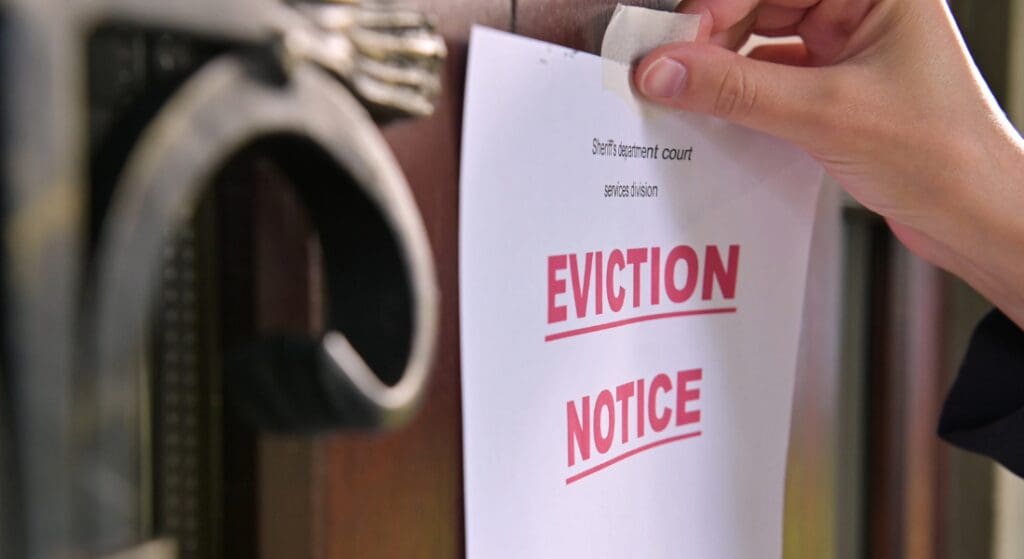
Many lease waiver clauses only matter if a dispute escalates into real legal action—especially eviction proceedings. But here’s something many tenants and landlords don’t realize:
In many cases, the landlord isn’t the person handling the eviction process at all.
A property manager may have authority to issue notices, enforce lease provisions, and even file eviction paperwork—but only if the management agreement and state laws allow it.
If you’re unsure who has the legal right to evict a tenant, read our full guide here:
Frequently Asked Questions About Lease Waiver Clauses
Q. Can a landlord make me waive my security deposit rights?
A. No. Virtually all states prohibit waivers of security deposit protections in residential leases. Landlords must follow statutory requirements for holding, returning, and accounting for deposits regardless of lease language attempting to waive these rules. Any clause purporting to waive security deposit rights is unenforceable.
Q. If I sign a waiver, can I still sue my landlord later?
A. It depends on what you waived and whether the waiver is enforceable. Valid waivers of procedural rights (like jury trial) are typically binding in commercial leases. However, you cannot waive substantive rights like safe housing, freedom from discrimination, or claims for the landlord’s negligence. Even if you signed such a waiver, you could still bring these claims.
Q. Are waiver clauses in commercial leases the same as residential leases?
A. No. Commercial leases receive much less regulatory protection, giving landlords and tenants more freedom to negotiate waivers. Provisions unenforceable in residential leases—like jury trial waivers or waiving notice requirements—are often enforceable in commercial contexts where parties have equal bargaining power.
Q. What if the lease says I waive the right to make a counterclaim in eviction?
A. Some states prohibit waivers of counterclaims in eviction proceedings, recognizing tenants need to raise defenses and offsets (like the landlord’s breach or failure to maintain habitability) in the same proceeding. Even where not explicitly prohibited, courts may find such waivers unenforceable as they prevent tenants from raising legitimate defenses.
Q. Can my landlord enforce a waiver if they didn’t follow proper notice requirements?
A. A waiver clause doesn’t exempt landlords from their own obligations under the lease or law. If the landlord violated notice requirements, failed to maintain the property, or otherwise breached the lease, they generally cannot enforce waiver provisions that depend on their own compliance. You retain rights under the lease to hold the landlord accountable.
Q. How do I know if a waiver in my lease is enforceable?
A. Review your state’s landlord-tenant laws, which often list prohibited lease provisions. Consult a tenant rights organization or attorney for specific legal advice. Generally, waivers of fundamental rights (habitability, non-discrimination, safety) are unenforceable, while waivers of procedural rights may be valid if properly drafted and not prohibited by statute.
Key Takeaways: Essential Points About Lease Waiver Clauses
- Not all waivers are enforceable: Courts void lease provisions that waive fundamental tenant rights like habitability, safety protections, or freedom from discrimination, regardless of what the lease says
- Commercial and residential leases differ dramatically: Waiver clauses generally enforceable in commercial leases may be illegal in residential contexts due to inequality in bargaining power and tenant protection laws
- State laws vary significantly: What’s enforceable in one jurisdiction may be prohibited in another; always research your state’s specific landlord-tenant laws before signing or drafting lease agreements
- Jury trial waivers require special treatment: These provisions must be conspicuous, clear, and knowing; residential jury trial waivers are prohibited or heavily restricted in many states
- Liability waivers have strict limits: Landlords cannot waive liability for their own negligence, particularly for personal injury or failure to maintain habitable premises
- Arbitration clauses are generally favored: Courts typically enforce arbitration provisions in both commercial and residential leases unless they’re unconscionable or prohibited by specific statutes
- Severability protects valid lease terms: If one waiver clause is unenforceable, courts typically strike only that provision while upholding the rest of the lease agreement
- Tenants retain statutory rights: Waiver provisions cannot override state laws; rights established by statute remain enforceable even if waived its right in the contractual lease
- Documentation and clarity matter: Enforceable waivers must be clear, conspicuous, and specifically identify what rights are being waived; vague or hidden waivers face heightened scrutiny
- Legal advice prevents costly mistakes: Both landlords drafting leases and tenants reviewing them should consult attorneys regarding waiver provisions to avoid disputes and ensure compliance with applicable laws