
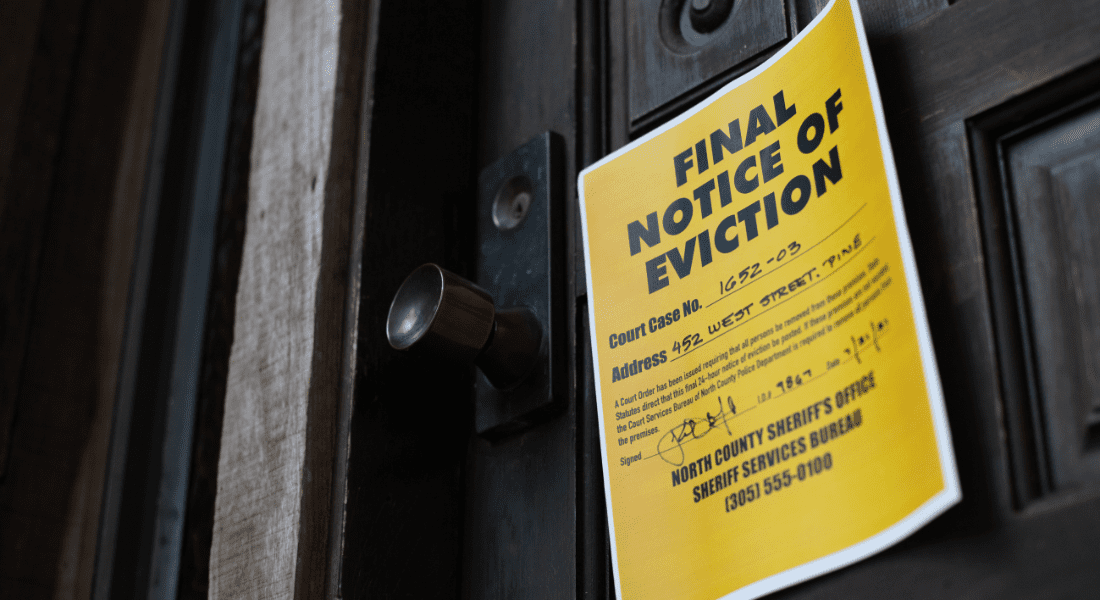
Evictions are stressful for both landlords and tenants. If you are a landlord in Clarksville, TN, and you have completed an eviction, one common question is: can the evicted tenant return to the property?
The answer depends on why they are returning, whether they have permission, whether they are trying to retrieve personal belongings, and whether the eviction has been legally completed. This guide explains what Clarksville landlords should know about post-eviction access, trespassing concerns, tenant belongings, and the proper legal process in Tennessee.
Quick Answer: Can an Evicted Tenant Return to the Property in Tennessee?
After an eviction is completed and possession has been restored to the landlord, a former tenant generally does not have the right to return to the rental property without permission. If they come back to visit, stay, or enter the unit without authorization, the situation may become a trespassing issue.
Retrieving personal belongings is different. If property remains after execution of a Tennessee writ of possession, specific rules apply to how those belongings are handled. Landlords should distinguish between a completed court eviction and an abandonment situation because different procedures may apply.
Need help handling a difficult post-eviction situation?
Connerth & Co. helps Clarksville rental owners with tenant communication, eviction coordination, property security, documentation, maintenance coordination, and post-move-out processes.
Understanding the Eviction Process in Clarksville, TN
Evicting a tenant in Tennessee is not as simple as asking them to leave. Landlords must follow the applicable legal eviction process before taking possession of the property.
In Clarksville and Montgomery County, the process generally includes:
- The landlord provides the notice required for the particular situation.
- If the matter is not resolved, the landlord may file an eviction case.
- The tenant has an opportunity to appear and respond in court.
- If the court awards possession to the landlord, the required post-judgment process must be followed.
- When a writ of possession is required, the authorized officer carries out the possession process.
For a more detailed explanation of notices, hearings, judgments, and possession, read our Tennessee eviction process guide for Clarksville landlords.
Why Would a Landlord Evict a Tenant in Clarksville?
There are several reasons a landlord may seek eviction. The applicable notice and procedure depend on the circumstances, lease terms, and Tennessee law.
Common issues may include:
- Nonpayment of rent: The tenant does not pay rent as required by the rental agreement.
- Lease violations: The tenant violates material terms of the lease.
- Property damage: The tenant causes damage beyond normal wear and tear.
- Unauthorized occupants or pets: The tenant violates applicable occupancy or pet provisions.
- Other serious tenancy violations: Certain conduct may support enforcement under the lease and applicable law.

Can an Evicted Tenant Return to the Property in Clarksville?
Once an eviction is legally completed and possession has been restored, the former tenant cannot re-enter their former unit or resume living there without a new lawful basis. Visiting someone who currently lives at the property is a separate question. A lawful resident may be able to invite the former tenant as a guest, subject to the lease, property rules, and any applicable court order. Entering without authorization or remaining after permission is withdrawn may raise a trespassing issue.
Can an Evicted Tenant Return to Retrieve Belongings?
An evicted tenant should not simply re-enter the rental property to collect belongings after possession has been restored to the landlord. Access should follow the applicable legal process and should not be treated as permission to move back in, visit, or remain at the property.
When a tenant’s personal property remains during execution of a Tennessee writ of possession, Tennessee Code § 29-18-127 provides specific rules for handling that property. The landlord or the landlord’s designated representative must place the personal property in the location described by the statute and leave it undisturbed for 48 hours. After that 48-hour period, remaining personal property may generally be discarded under that provision.
This is different from a situation in which a tenant has abandoned a rental property without going through a judicial eviction. Abandonment may involve different notice, possession, and storage requirements.
Because the correct procedure depends on how possession was recovered, landlords should identify whether they are dealing with a completed court eviction, a voluntary move-out, or abandonment before disposing of a former tenant’s property.
What Should a Clarksville Landlord Do If an Evicted Tenant Returns?
If an evicted tenant returns to the property without permission, landlords should stay calm and avoid taking matters into their own hands.
Steps to consider include:
- Document the situation. Record the date, time, what happened, and whether there were witnesses or camera footage.
- Confirm whether the person has permission to be there. A scheduled belongings pickup is different from unrestricted access.
- Ask the former tenant to leave if appropriate and safe. Keep communication brief and professional.
- Contact law enforcement when necessary. This may be appropriate when unauthorized entry or refusal to leave creates a safety or trespassing concern.
- Secure the property. After lawful possession has been restored, review locks, doors, windows, access codes, garage remotes, and other entry methods.
- Seek legal guidance if the dispute continues. Questions about possession, belongings, or the former tenant’s legal status should be handled carefully.
What Happens to a Tenant’s Property After an Eviction in Clarksville?
The procedure for belongings left after a judicial eviction is important because it is not necessarily the same as the procedure for abandoned property.
For property remaining when a Tennessee writ of possession is executed, Tennessee Code § 29-18-127 provides that the tenant’s personal property is to be placed in an appropriate area clear of the entrance and a reasonable distance from the roadway. It must remain undisturbed by the landlord or the landlord’s representative for 48 hours.
After the 48-hour period, property that remains may generally be discarded under that statute.
Landlords should still document the condition and disposition of belongings. Photos, videos, communication records, and documentation of when possession was restored can help establish what occurred.
If the tenant left voluntarily or the property is being treated as abandoned rather than removed through a writ of possession, different Tennessee rules may apply. Landlords should not assume the 48-hour writ-of-possession rule applies to every move-out situation.
If you would rather have professional support with tenant communication, documentation, and property turnover, review our Clarksville landlord property management services.
Can a Clarksville Landlord Prevent an Evicted Tenant from Returning?
Once possession has legally been restored, landlords can take reasonable steps to secure the property against unauthorized access.
- Check the property: Review doors, windows, garages, sheds, gates, and other access points.
- Update locks when legally appropriate: Secure the property after the possession process has been completed.
- Update electronic access: Change keypad codes, garage remotes, smart-lock credentials, and other electronic access.
- Document unauthorized returns: Maintain written records and available security footage where appropriate.
- Contact law enforcement when necessary: Avoid attempting to physically remove someone yourself.
When Does a Former Tenant Returning Become Trespassing?
A former tenant returning to a property without permission after possession has been restored may create a trespassing issue, but the circumstances matter.
There is an important difference between a former tenant arriving for an authorized belongings pickup and a person entering or remaining on the property without permission.
If there is a dispute about whether the eviction was completed, whether possession was restored, or whether the former tenant has a lawful reason to be there, landlords should document the situation and seek appropriate legal guidance rather than trying to force the issue themselves.
When Does an Eviction Become a Legal Issue in Clarksville?
Eviction disputes can become more complicated when the required notice or court procedures are not followed, when a tenant challenges the case, or when disputes continue after possession is restored.
Landlords should avoid self-help methods such as changing locks before lawful possession has been restored, shutting off utilities to force a tenant out, physically removing a tenant, or improperly disposing of belongings.
Following the proper process and maintaining complete documentation can reduce the risk of additional disputes.
How Long Does an Eviction Take in Clarksville?
The eviction timeline in Clarksville depends on several factors, including the reason for eviction, applicable notice requirements, service, court scheduling, whether the tenant contests the case, and the post-judgment possession process.
Some cases move faster than others. Contested cases, incorrect notices, service issues, appeals, or other procedural problems can extend the timeline.
For more detail about timing, read our guide explaining how long it takes to evict a holdover tenant in Clarksville, TN.
Can a Tenant Fight an Eviction in Tennessee?
Yes. A tenant may appear in court and challenge an eviction.
Issues raised in an eviction dispute may include:
- Whether the required notice was given
- Whether rent payments are disputed
- Whether the landlord followed the required procedure
- Whether serious habitability conditions are relevant to the dispute
- Whether retaliation or discrimination is alleged
- Whether the lease or filing documents support the landlord’s claim
Both landlords and tenants should keep relevant notices, payment records, communication, maintenance documentation, and court documents.
Property Management Support for Clarksville Landlords
Post-eviction situations can involve tenant communication, documentation, property access, belongings, security, repairs, and preparing the rental for its next occupant.
Connerth & Co. helps rental owners manage these responsibilities through our Clarksville landlord property management services.
If you own a rental property in Clarksville or Montgomery County and want to discuss its rental potential and management needs, request a free rental analysis.
Key Takeaways for Landlords and Tenants in Clarksville
- A landlord must follow Tennessee’s applicable legal procedures before completing an eviction.
- After possession has been legally restored, a former tenant generally cannot freely return without permission.
- Retrieving belongings is different from returning to visit, stay, or move back in.
- Personal property remaining during execution of a writ of possession is subject to Tennessee’s 48-hour rule under § 29-18-127.
- Abandoned-property situations may be governed by different rules.
- Landlords should document unauthorized returns and avoid physical confrontation.
- Locks, codes, remotes, and other access methods should be reviewed after lawful possession is restored.
- Tenants may challenge an eviction through the court process.
For a broader explanation of Tennessee eviction procedures, read our Clarksville eviction law guide.
This article provides general information about Tennessee rental-property law and is not legal advice. Rights and procedures depend on the lease, court orders, how possession was recovered, and the specific facts. Consult a qualified Tennessee attorney regarding a specific situation.
Last reviewed: September 2026.
Frequently Asked Questions
Can an evicted tenant return to the property?
In most cases, once an eviction is completed and possession has been restored to the landlord, a former tenant does not have the right to return to the property without permission. Unauthorized entry may create a trespassing issue.
Can an evicted tenant return to the property to visit?
An eviction does not automatically prohibit every future visit to the property. A former tenant cannot re-enter their former unit or move back in without a lawful basis, but a current resident may be able to invite them as a guest, subject to the lease, property rules, and any applicable court order. Unauthorized entry may raise a trespassing issue.
Can a tenant move back into an apartment after being evicted?
Generally, no. Once the eviction is completed and possession is restored to the landlord, the former tenant cannot simply move back in. A new agreement or other lawful basis for occupancy would be required.
Can an evicted tenant return to retrieve belongings?
A former tenant may need to retrieve personal belongings, but they should not simply re-enter the property without permission. When belongings remain during execution of a Tennessee writ of possession, Tennessee Code § 29-18-127 provides specific rules for handling that property.
What should I do if someone moves out and then moves back in?
Document what happened and avoid self-help measures or physical confrontation. If there is a dispute over whether the person has a legal right to occupy the property, seek legal guidance or appropriate law-enforcement assistance.
How long after eviction do I have to keep tenant belongings?
If personal property remains when a tenant is removed under a Tennessee writ of possession, Tennessee Code § 29-18-127 provides that the property must remain undisturbed for 48 hours after it is placed as required by the statute. After that period, remaining property may generally be discarded. Different rules may apply when a tenant has abandoned the property rather than being judicially removed.
How long do you have to move out after eviction in Clarksville, TN?
The timeline depends on the court judgment, applicable waiting periods, issuance and execution of the writ of possession, and any appeal or other court proceedings. Landlords and tenants should follow the applicable court orders and Tennessee procedures.
What do I do if a tenant refuses to leave after eviction?
If the landlord has obtained the required judgment but the tenant remains in possession, the landlord should continue through the lawful writ-of-possession process rather than attempting to physically remove the tenant.
Can a landlord cancel an eviction?
A landlord may be able to dismiss or otherwise resolve an eviction case before completion depending on the status of the case and any agreement between the parties. Once possession has been restored, a new agreement would generally be needed for the former tenant to occupy the property again.
How long does an eviction stay on your record in Tennessee?
Court filings and tenant-screening records can remain available for varying periods depending on the court record system and reporting source. Someone concerned about a specific eviction record should review the applicable court record and obtain legal guidance about available options.