Table of Contents
ToggleHow to Prevent Property Damage in a Rental Property
How can a landlord prevent property damage? Start with the risks you can identify and address early: water leaks, neglected maintenance, fire hazards, severe weather, and problems that go unreported. A clear move-in record, practical lease expectations, routine inspections, and a simple way for tenants to report concerns all help reduce avoidable damage.
No checklist can prevent every accident or storm. The goal is to catch small problems before they become expensive repairs and to make sure everyone knows what to do when something goes wrong.
1. Document the property before move-in
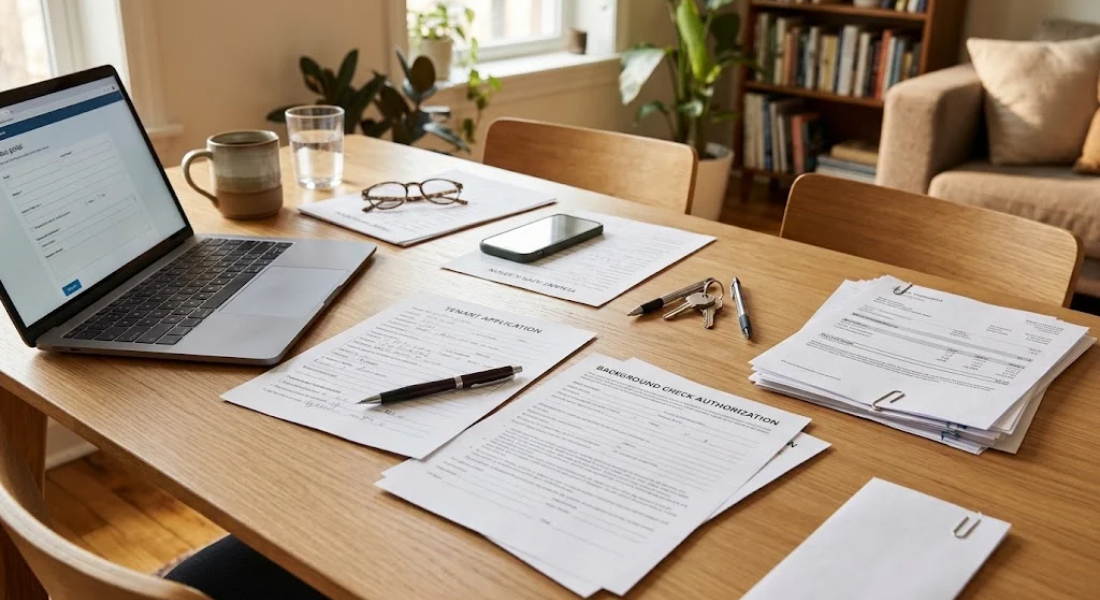
A detailed move-in record gives the landlord and tenant a shared picture of the property’s condition. Walk through the home, note existing wear or damage, and take dated photos of rooms, appliances, fixtures, flooring, walls, and exterior areas. Give the tenant a way to review the record and report anything missed.
Keep repair records and photos from later inspections in the same organized file. Good documentation helps you track recurring problems, plan maintenance, and distinguish a new issue from one that was already present.
2. Check for water and moisture problems
Water can damage flooring, cabinets, walls, and belongings long before a leak becomes obvious. During maintenance visits and permitted inspections, pay particular attention to:
- Plumbing under sinks and around toilets, tubs, and showers
- Water heaters, washing-machine connections, and appliance supply lines
- Ceiling stains, soft flooring, damp smells, and visible moisture
- Gutters, downspouts, grading, and places where water collects near the building
Fix the source of a leak promptly, then check whether surrounding materials need to be dried or repaired. Ask tenants to report drips, overflows, and unexplained moisture as soon as they notice them. An easy reporting process makes it more likely that a small issue reaches you in time.
3. Maintain systems before they fail
Preventive maintenance is easier to plan than an emergency repair. Keep a schedule for heating and cooling equipment, plumbing, roofing, drainage, and any other systems the property relies on. Record what was checked, what was repaired, and when a follow-up is due.
Pay attention to repeated minor complaints. A drain that keeps backing up or an air conditioner that repeatedly stops working may point to a larger problem. For a broader routine-care checklist, see our guide to regular property maintenance for landlords.
4. Make fire safety part of the routine
Check that installed smoke and carbon monoxide alarms are in working order and maintained as required for the property. Have qualified professionals address electrical faults, damaged outlets, unsafe wiring, or heating-equipment concerns. Keep exits accessible and provide tenants with clear instructions for reporting a safety issue.
If the home has fireplaces, fuel-burning equipment, or other features that need specialist care, include them in the maintenance schedule. Follow the applicable local requirements and the equipment manufacturer’s guidance rather than relying on a generic checklist.
5. Set clear expectations with tenants
Tenants are more able to help protect a home when they know which issues to report and how to report them. At move-in, explain the maintenance request process, emergency contact method, and any property-specific care instructions. Put important expectations in the lease or written move-in materials.
Useful examples include reporting leaks promptly, using appliances as intended, keeping drains clear of inappropriate materials, and asking before making changes to the property. Keep the instructions clear and reasonable. A tenant should not have to guess whether a water leak or loss of heat counts as urgent.
6. Inspect the property at appropriate times
A move-in inspection is only the starting point. Plan inspections at intervals appropriate to the property and in line with the lease and applicable notice requirements. Look for signs of leaks, drainage problems, damaged fixtures, blocked vents, exterior wear, and repairs that were previously reported.
Record what you find and follow through on repairs. An inspection has little value if an identified problem remains unresolved. A move-out inspection then helps document the property’s condition and informs the next round of repairs or maintenance.
7. Prepare for storms and temperature changes
Review the property’s exposure to heavy rain, wind, and freezing temperatures. Keep gutters and drainage paths clear, address loose exterior materials, and check that doors and windows close properly. Before cold weather, identify pipes or outdoor connections that may need protection.
Give tenants straightforward instructions for urgent situations, including whom to contact about storm damage, a burst pipe, or a power-related safety concern. If damage occurs, prioritize safety, stop further damage where it is safe to do so, document the condition, and arrange the appropriate professional help.
A practical property-damage prevention checklist
- Complete and save a dated move-in condition record.
- Provide a clear maintenance and emergency reporting process.
- Check for leaks, moisture, and drainage problems.
- Schedule maintenance for major systems and exterior features.
- Confirm safety equipment is maintained as required.
- Conduct and document appropriate property inspections.
- Follow up on reported problems and recurring repairs.
- Review storm and cold-weather preparations each season.
Frequently asked questions
What is the most important step in preventing rental property damage?
There is no single step that covers every risk. Promptly finding and fixing water leaks is especially valuable, while regular maintenance, clear tenant reporting, and documented inspections work together to catch other problems early.
Can tenant screening prevent property damage?
A consistent, lawful screening process can help a landlord make an informed rental decision, but it cannot guarantee how a property will be treated. Clear expectations, maintenance, communication, and inspections remain important after move-in. Our online tenant screening guide explains the screening process in more detail.
How often should a landlord inspect a rental property?
There is no universal schedule for every home. Set a reasonable plan based on the property’s condition, known risks, the lease, and applicable notice requirements. Inspect when a reported problem needs investigation, and document the results and any follow-up work.
Keep prevention manageable
Property damage prevention works best as an ongoing routine. Document the home’s condition, make reporting easy, maintain the systems most likely to cause expensive damage, and act on problems while they are still small. Review the routine after each repair or inspection so it continues to fit the property.