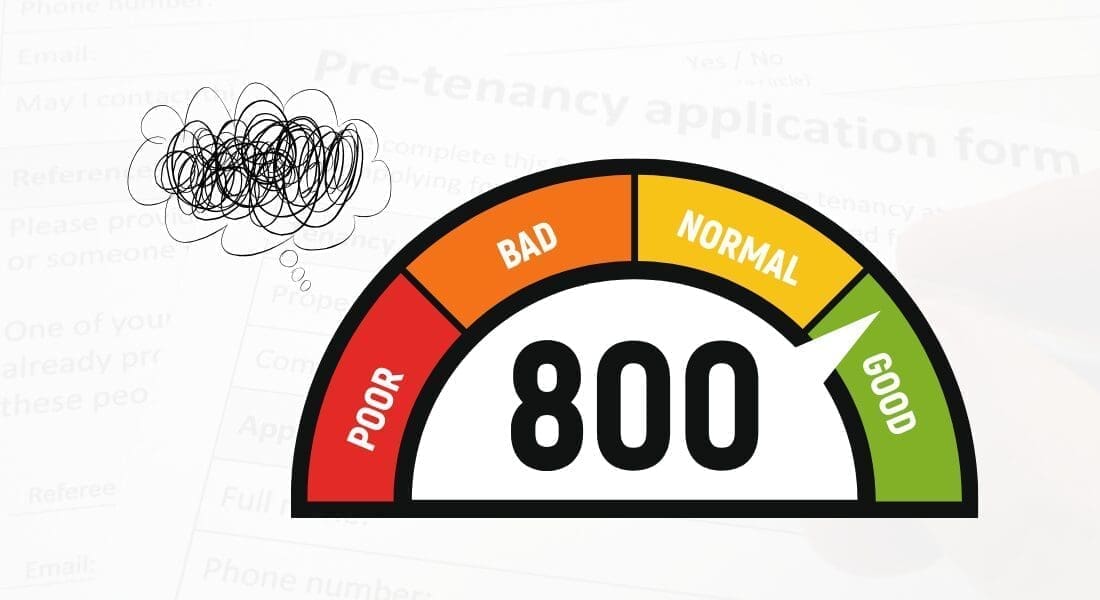
Portable tenant screening reports—also called reusable tenant screening reports—are designed to let rental applicants share screening information with more than one landlord instead of ordering a completely new report for every application.
That raises an important question for Tennessee rental owners: Do landlords have to accept a portable tenant screening report?
As of September 2026, Tennessee does not have a statewide law requiring landlords to accept a reusable tenant screening report in place of their own screening process. A landlord may choose to consider a tenant-provided report, but should still follow consistent rental criteria, federal consumer-reporting requirements, and applicable Fair Housing laws.
Table of Contents
ToggleQuick Answer: Do Tennessee Landlords Have to Accept Portable Tenant Screening Reports?
No statewide Tennessee law currently requires landlords to accept portable or reusable tenant screening reports.
A Tennessee landlord may voluntarily accept a reusable report or may use the landlord’s established screening process instead. Whichever approach is used, screening standards should be documented, applied consistently, and comply with federal consumer-reporting and Fair Housing requirements.
Need a consistent tenant-screening process?
Connerth & Co. helps Clarksville rental owners manage applications, screening, tenant communication, leases, rent collection, maintenance coordination, and other day-to-day property management responsibilities.
What Is a Portable Tenant Screening Report?
A portable tenant screening report is a consumer report obtained for use during the rental application process that can potentially be shared with more than one housing provider.
You may also see these reports described as:
- Reusable tenant screening reports
- Portable screening reports
- Tenant background reports
- Resident screening reports
Depending on the provider, a report may contain information such as:
- Credit information
- Rental history
- Eviction records
- Criminal-history information
- Income or employment information
- A screening score or recommendation
There is no single universal format for every portable screening report. The information included, how recently it was collected, and how the landlord verifies it can vary by screening provider and jurisdiction.
Do Landlords Have to Accept Portable Tenant Screening Reports in Tennessee?
As of September 2026, Tennessee does not have a statewide requirement compelling residential landlords to accept a reusable tenant screening report instead of using their own screening process.
Tennessee lawmakers considered legislation in 2024 that would have created specific rules relating to reusable tenant screening reports and rental application fees. That proposal, HB 2025 / SB 1893, did not become law.
The proposal itself is useful context because it shows the distinction between a landlord accepting reusable screening reports and a law requiring a particular screening procedure. Since that legislation was not enacted, landlords should not treat its proposed requirements—such as its proposed 30-day standard—as current Tennessee law.
A Tennessee landlord can therefore establish a reasonable screening process that may:
- Accept qualifying tenant-provided screening reports
- Require screening through the landlord’s preferred provider
- Require additional verification where appropriate
- Use written rental criteria to evaluate applicants consistently
The screening process must still comply with applicable federal and state law.
Can a Tennessee Landlord Require a New Tenant Screening Report?
Because Tennessee does not currently require statewide acceptance of portable screening reports, a landlord may generally use an established screening process rather than relying solely on a report supplied by an applicant.
That may be useful when the landlord needs information that:
- Is not included in the applicant’s report
- Cannot be independently verified
- Does not cover the landlord’s established screening criteria
- Was produced by an unfamiliar source
- May no longer reflect current information
However, landlords should avoid changing screening requirements from applicant to applicant without a legitimate reason. Using written criteria and a consistent process reduces confusion and helps limit Fair Housing risk.
For a structured screening process, see our tenant screening checklist for Tennessee landlords.
Should a Landlord Accept a Portable Tenant Screening Report?
Whether to accept one is a business and compliance decision for the landlord when state law does not require acceptance.
A reusable report can be convenient for applicants and may reduce duplicated screening, but a landlord should verify that the report provides enough reliable information to apply the property’s written screening criteria.
Before relying on a portable report, consider:
- Who prepared it? Determine whether the report came from a legitimate consumer reporting agency or screening service.
- How was it delivered? A report obtained directly or through a verifiable provider is easier to authenticate than an editable document submitted by an applicant.
- How current is the information? Credit, employment, rental status, and court records can change.
- What does it include? Confirm that the report contains the information required under your established screening criteria.
- Can the information be verified? Income, employment, identity, and rental references may require additional verification.
The goal should be a consistent, documented screening process rather than automatically accepting or rejecting a report simply because the applicant labels it “portable.”
How Can Landlords Verify a Reusable Tenant Screening Report?
Landlords should verify the source and information before relying on a tenant-provided report.
Useful verification steps can include:
- Confirm the screening provider. Identify the consumer reporting agency or platform that produced the report.
- Use a verifiable delivery method. Whenever possible, access the report through the provider rather than relying solely on a screenshot or edited PDF.
- Match identifying information. Make sure the applicant’s identifying details correspond with the rental application.
- Review the date. Determine whether the information is recent enough for your documented screening policy.
- Verify income and employment separately when necessary. A screening report may not contain sufficient current income information.
- Check rental references. Previous landlord verification can provide information not fully captured in a consumer report.
- Apply the same written criteria. Evaluate the applicant under the same lawful criteria used for other applicants.
For additional warning signs to watch for, read our guide to red flags in tenant screening.
How Does the Fair Credit Reporting Act Apply to Tenant Screening?
Tenant screening reports prepared by consumer reporting agencies are generally consumer reports under the federal Fair Credit Reporting Act, or FCRA.
Landlords who obtain and use consumer reports for rental decisions have federal compliance responsibilities.
Landlords Need a Permissible Purpose
A landlord may obtain a consumer report for a legitimate housing purpose, such as evaluating a rental application or certain lease-renewal decisions. The landlord must use the report for the permissible purpose for which it was obtained.
Adverse Action May Require Notice
If information in a consumer report plays any part in an unfavorable rental decision, the FCRA can require an adverse action notice.
Examples of adverse action can include:
- Denying the rental application
- Requiring a co-signer because of the report
- Requiring a deposit that would not otherwise have been required
- Requiring a larger deposit
- Charging higher rent based on the consumer report
The notice generally identifies the consumer reporting agency that supplied the report and explains the applicant’s rights to obtain a free copy of the report within the applicable period and dispute inaccurate or incomplete information.
When a credit score is used in taking adverse action, additional FCRA disclosure requirements may apply.
Can a Landlord Reject a Portable Screening Report and Still Screen the Applicant?
In Tennessee, the absence of a statewide portable-report acceptance requirement means a landlord may generally continue with the property’s established screening procedure.
That does not mean the landlord should invent new requirements for a particular applicant. Screening criteria should be created before applications are evaluated and applied consistently to similarly situated applicants.
For example, a written screening policy might address:
- Required income documentation
- Rental-history standards
- Credit-related criteria
- Occupancy requirements
- Background-screening procedures
- Identity verification
- Pet requirements
The criteria should also be reviewed for compliance with Fair Housing and other applicable laws.
How Do Applicants Get a Portable Tenant Screening Report?
Applicants can obtain tenant screening information through consumer reporting agencies and rental-screening platforms that offer applicant-initiated or reusable reports.
The process varies by provider but may involve:
- The applicant creates an account with the screening provider.
- The applicant verifies identity and supplies required information.
- The screening provider obtains available credit, rental, court, or background information.
- The applicant authorizes access or sharing with a participating landlord.
- The landlord reviews the report under the property’s written screening criteria.
Applicants should review the specific provider’s terms because not every report is reusable in the same way and not every landlord is required to accept it.
How Long Is a Portable Tenant Screening Report Valid?
There is no universal nationwide expiration period that makes every portable tenant screening report valid for exactly the same number of days.
Some states that regulate reusable reports establish their own freshness requirements, and individual screening platforms may have separate policies.
Tennessee’s unsuccessful 2024 proposal would have used a 30-day standard for qualifying reusable reports, but because that proposal did not become law, landlords should not present 30 days as a current Tennessee statutory requirement.
A landlord who voluntarily accepts portable reports should establish a reasonable and consistently applied policy regarding how current the report must be.
Can Landlords Still Verify Income and Rental History?
Yes. Accepting a tenant screening report does not necessarily mean every part of the rental application has already been verified.
Depending on the property’s screening criteria, landlords may still need to verify information such as:
- Current income
- Employment
- Previous rental history
- Landlord references
- Identity
- Occupancy information
Landlords should obtain and verify only information that is relevant to the lawful rental-screening process and should apply the same process consistently.
What If Information in a Tenant Screening Report Is Wrong?
The FCRA gives consumers rights when information in a tenant screening report is inaccurate or incomplete.
If a landlord takes adverse action based in whole or in part on information from a consumer report, the required notice helps the applicant identify the reporting company and understand the right to request a copy and dispute inaccurate information.
Landlords should avoid trying to correct a consumer reporting agency’s database themselves. If an applicant disputes information in a report, the applicant can use the consumer reporting agency’s dispute process.
Portable Screening Reports vs. a Landlord’s Own Screening Process
Neither approach should replace a written and consistently applied rental policy.
A portable report may reduce repeated screening for an applicant, while a landlord-selected screening provider may offer a standardized workflow across every application.
The important questions are whether the information is reliable, relevant, sufficiently current, legally obtained, and evaluated under the same lawful screening criteria used for other applicants.
Landlords who want a fuller overview of screening costs and what reports commonly contain can read How Much Does Tenant Screening Cost?
Tenant Screening Support for Clarksville Landlords
Tenant screening involves more than reviewing a credit score. Rental owners need a consistent process for applications, identity and income verification, rental history, screening reports, applicant communication, lease preparation, and documentation.
Connerth & Co. helps Clarksville and Montgomery County rental owners manage these responsibilities through our landlord property management services.
If you own a rental property and want to discuss its rental potential and management needs, request a free rental analysis.
Key Takeaways
- Portable tenant screening reports are also commonly called reusable tenant screening reports.
- As of September 2026, Tennessee does not have a statewide law requiring landlords to accept reusable tenant screening reports.
- Tennessee considered reusable-report legislation in 2024, but the proposal did not become law.
- A Tennessee landlord may voluntarily accept a portable report or use an established screening process.
- There is no universal 30-day validity rule for every portable screening report in Tennessee.
- Landlords should verify the source, date, contents, and authenticity of reports they choose to accept.
- Tenant screening reports from consumer reporting agencies are subject to the federal Fair Credit Reporting Act.
- If a consumer report contributes to an adverse rental decision, an FCRA adverse action notice may be required.
- Written rental criteria should be applied consistently to applicants.
This article provides general information about tenant screening and rental-property management and is not legal advice. Screening requirements can change, and federal, state, or local rules may apply differently depending on the property and circumstances. Consult a qualified attorney regarding a specific legal question.
Last reviewed: September 2026.
Frequently Asked Questions
Do landlords have to accept portable tenant screening reports in Tennessee?
No statewide Tennessee law currently requires landlords to accept portable or reusable tenant screening reports. A landlord may choose to accept one or may use the property’s established screening process, subject to applicable consumer-reporting, Fair Housing, and other laws.
What is a portable tenant screening report?
A portable tenant screening report is a consumer report obtained for use during the rental application process that may be shared with more than one housing provider. Depending on the provider, it can include credit, rental, eviction, criminal-history, employment, income, or other screening information.
Is a reusable tenant screening report the same as a portable tenant screening report?
The terms are commonly used to describe the same general concept: a screening report that an applicant can potentially use with multiple rental applications rather than ordering an entirely new report each time.
Can a Tennessee landlord require their own tenant screening report?
Because Tennessee does not currently have a statewide law requiring acceptance of portable reports, a landlord may generally use an established screening process. The landlord should apply written screening criteria consistently and comply with applicable federal and state law.
How long is a portable tenant screening report valid in Tennessee?
Tennessee does not currently establish a universal validity period for portable tenant screening reports. A 2024 Tennessee proposal would have used a 30-day standard, but that legislation did not become law. Landlords who voluntarily accept reusable reports should use a reasonable and consistently applied freshness policy.
Can a landlord verify information in a portable screening report?
Yes. A landlord may verify the report’s source, identity information, income, employment, rental history, references, and other information relevant to the property’s lawful screening criteria. Verification standards should be applied consistently.
Does the Fair Credit Reporting Act apply to tenant screening?
Yes. Tenant screening reports prepared by consumer reporting agencies are generally consumer reports under the Fair Credit Reporting Act. Landlords who obtain and use these reports must follow applicable FCRA requirements.
Does a landlord have to send an adverse action notice after denying an applicant?
If information in a consumer report contributed in whole or in part to an unfavorable rental decision, the Fair Credit Reporting Act generally requires an adverse action notice. This can include denying an application, requiring a co-signer, or imposing certain less favorable rental terms because of information in the report.