If you’re getting ready to rent a home, you may be wondering how far back a landlord will look at your rental history. Will they only check your last apartment? Will they go back five years? What if you had a late payment or an eviction several years ago?
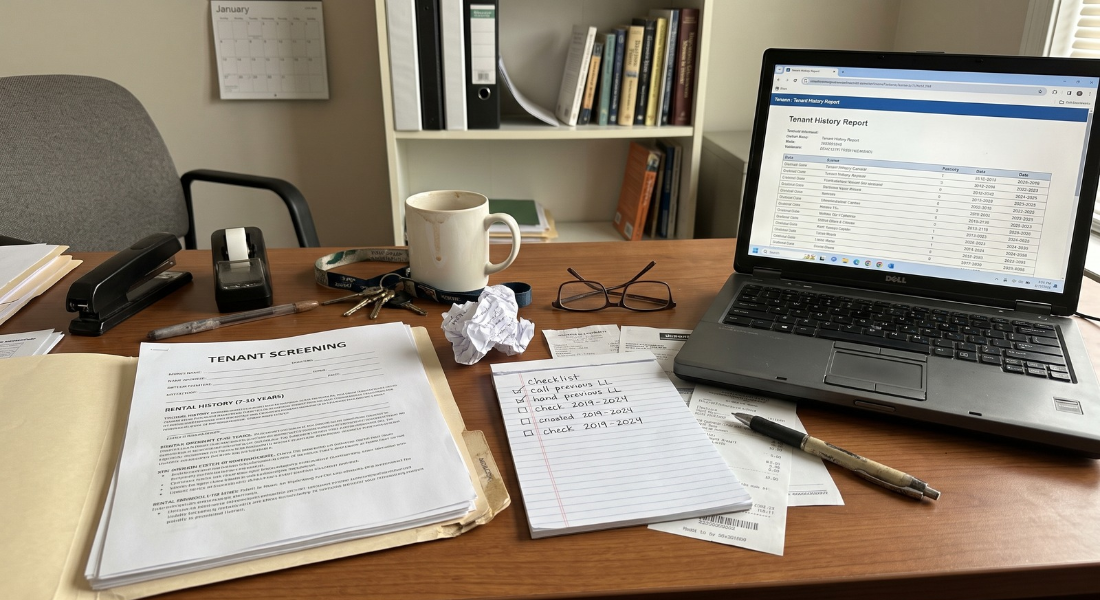
The answer depends on the landlord, the property, and the type of background check they use. However, many landlords focus on your rental history from the past 3 to 7 years.
Here’s what you should know before applying for your next rental.
Table of Contents
ToggleHow Many Years Back Do Landlords Check?
Many landlords review your rental history for the past 3 to 7 years. Some may look further back, especially if they want a more complete picture of your rental background.
During the screening process, a landlord may review:
- Previous addresses: Where you’ve lived and how long you stayed.
- Payment history: Whether you paid rent on time or regularly paid late.
- Eviction records: Whether a previous landlord filed an eviction case against you.
- Lease violations: Whether you broke the terms of a previous rental agreement.
- Landlord references: What your previous landlords say about you as a tenant.
Not every landlord checks all these details. Some use a professional tenant screening service, while others contact your previous landlords directly.
What Do Landlords Look for in Your Rental History?
Your rental history helps a landlord understand what it might be like to rent to you. They’re generally looking for signs that you’ll pay rent on time, follow the lease, and take care of the property.
Here are some of the things they may pay attention to.
1. Late or Missed Rent Payments
Landlords want tenants who can pay rent consistently. If you have a history of paying late or missing payments, it may raise concerns during the application process.
A few late payments don’t automatically mean you’ll be denied. Your more recent payment history and the circumstances behind those payments may also matter.
2. Previous Evictions
An eviction can make it harder to get approved for another rental, especially if it happened recently.
However, landlords may look at more than just whether an eviction appears on your record. They may consider when it happened, the reason behind it, and whether you still owe money to a previous landlord.
It’s also important to understand that an eviction filing isn’t always the same as an eviction judgment. A case may have been dismissed, settled, or decided in your favor.
3. Lease Violations
Landlords may also check whether you followed the terms of your previous lease.
For example, they may want to know if you had unauthorized occupants, caused property damage, kept pets without permission, or repeatedly violated community rules.
A serious or repeated problem may affect your chances of approval.
4. Previous Landlord References
Some landlords contact your previous landlords to ask about your experience as a tenant.
They may ask whether you paid rent on time, kept the property in good condition, followed the lease, and gave proper notice before moving out.
A positive reference can help show that you’re a responsible renter.
Can Landlords See Rental History From More Than 7 Years Ago?
Yes, sometimes. There isn’t one universal rule that limits every type of rental history check to seven years.
However, the Fair Credit Reporting Act (FCRA) generally limits how far back certain negative information can appear in consumer reports from tenant screening companies.
For example, many civil judgments, eviction-related records, and other adverse information are subject to a seven-year reporting limit, while bankruptcy information can generally be reported for up to 10 years.
There are exceptions and differences depending on the type of record and applicable state laws. Some states also provide additional protections for renters.
Keep in mind that these rules apply to consumer reporting agencies. They don’t necessarily prevent a landlord from asking you about older rental experiences or using information they already have.
What If You Have Bad Rental History?
Having a few problems in your rental history doesn’t mean you won’t find another place to live.
There are several things you can do to strengthen your rental application:
1. Be honest about your past. If a landlord asks about a previous eviction or missed payment, explain what happened. Being upfront is better than letting them discover something you haven’t mentioned.
2. Show proof of steady income. Recent pay stubs, employment verification, or other income documents can help demonstrate that you can afford the rent.
3. Provide positive references. If you’ve rented successfully since your previous problems, ask your more recent landlords to provide a reference.
4. Explain what has changed. If you experienced financial difficulties in the past but your situation has improved, explain how things are different now.
5. Check your rental screening reports. You can review your consumer reports and dispute inaccurate or outdated information. If a landlord denies your application or takes certain other unfavorable actions based on a screening report, you generally have rights to receive an adverse action notice and information about the reporting company.
How Can You Check Your Rental History Before Applying?
It’s a good idea to review your rental background before submitting an application.
Start by checking your credit reports and looking for any outstanding rental debt, collections, or other inaccurate information.
You can also ask previous landlords whether they would be comfortable providing a reference. If you’re concerned about an eviction record, check the relevant court records to see what the case actually shows.
Finding mistakes early gives you a chance to address them before they affect your next rental application.
Find a Rental Home in Clarksville, TN
Your rental history is only one part of your application. Landlords may also consider your income, employment, credit, references, and ability to meet the lease requirements.
If you’re looking for a rental home in Clarksville, TN, Connerth & Co Property Management can help you explore available properties and understand the rental application process.
Ready to find your next home? Browse our available rentals in Clarksville and contact our team if you have questions about applying.